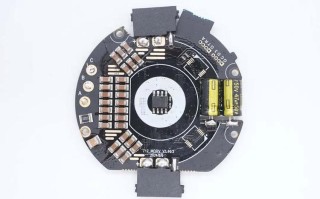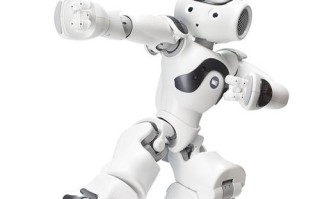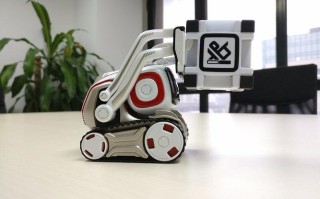
我们需要明确你的“iPad机器人”到底是什么:
-
iPad作为机器人的“大脑”
- 描述:iPad 运行主要的 AI、视觉和决策程序,通过 Wi-Fi/蓝牙连接到一个底层的硬件(如 Raspberry Pi、Arduino),该硬件负责控制电机的运动。
- 优点:利用 iPad 强大的计算能力、高清屏幕和电池,适合需要复杂视觉和 AI 的项目。
- 缺点:架构较复杂,需要处理设备间的通信。
-
iPad作为机器人的“眼睛”和“遥控器”
- 描述:一个独立的机器人(由树莓派或单片机控制),iPad 只作为它的“眼睛”(接收摄像头视频流)和“遥控器”(发送控制指令),机器人本身不运行复杂的 AI。
- 优点:架构相对简单,对机器人硬件要求低,iPad 上的 App 开发也相对容易。
- 缺点:所有智能计算都在 iPad 上,延迟可能较高。
-
iPad作为机器人的“脸”和“交互界面”
- 描述:这是一个最简单的方案,机器人本身可能只是一个底座,可以旋转,iPad 固定在上面,通过编程在屏幕上显示表情、与用户对话,或者根据传感器数据改变显示内容。
- 优点:实现简单,重点在 iPad App 开发,无需复杂的电机控制。
- 缺点:不具备物理移动能力。
iPad作为大脑 (最推荐,功能最强)
这是最酷也最完整的方案,我们将使用 Swift (for iPadOS) 和 Raspberry Pi 作为例子。
系统架构
+----------------+      Wi-Fi/蓝牙      +---------------------+
|                | <------------------> |                     |
|   iPad         |                      |  Raspberry Pi       |
|   - Swift App  |                      |  - 电机驱动板        |
|   - AI/视觉     |                      |  - 电机              |
|   - 决策逻辑    |                      |  - 传感器(可选)      |
|                |                      |                     |
+----------------+                      +---------------------+
步骤 1: 在树莓派上设置服务器
树莓派需要运行一个简单的服务器来接收来自 iPad 的指令(forward, backward, left, right),Python 是最常用的选择。
树莓派代码 (Python - 使用 Flask 框架):
-
安装 Flask:
sudo pip install flask
-
创建
robot_server.py文件: (图片来源网络,侵删)
from flask import Flask, request, jsonify import RPi.GPIO as GPIO import time # --- 电机引脚定义 (请根据你的接线修改) --- # 示例使用 L298N 电机驱动板 motor_a_in1 = 17 motor_a_in2 = 18 motor_b_in1 = 22 motor_b_in2 = 23 GPIO.setmode(GPIO.BCM) GPIO.setup(motor_a_in1, GPIO.OUT) GPIO.setup(motor_a_in2, GPIO.OUT) GPIO.setup(motor_b_in1, GPIO.OUT) GPIO.setup(motor_b_in2, GPIO.OUT) app = Flask(__name__) def stop_motors(): GPIO.output(motor_a_in1, GPIO.LOW) GPIO.output(motor_a_in2, GPIO.LOW) GPIO.output(motor_b_in1, GPIO.LOW) GPIO.output(motor_b_in2, GPIO.LOW) @app.route('/command', methods=['POST']) def receive_command(): data = request.json command = data.get('command') print(f"Received command: {command}") if command == 'forward': # 电机A正转, 电机B正转 GPIO.output(motor_a_in1, GPIO.HIGH) GPIO.output(motor_a_in2, GPIO.LOW) GPIO.output(motor_b_in1, GPIO.HIGH) GPIO.output(motor_b_in2, GPIO.LOW) elif command == 'backward': # 电机A反转, 电机B反转 GPIO.output(motor_a_in1, GPIO.LOW) GPIO.output(motor_a_in2, GPIO.HIGH) GPIO.output(motor_b_in1, GPIO.LOW) GPIO.output(motor_b_in2, GPIO.HIGH) elif command == 'left': # 电机A反转, 电机B正转 (原地转弯) GPIO.output(motor_a_in1, GPIO.LOW) GPIO.output(motor_a_in2, GPIO.HIGH) GPIO.output(motor_b_in1, GPIO.HIGH) GPIO.output(motor_b_in2, GPIO.LOW) elif command == 'right': # 电机A正转, 电机B反转 (原地转弯) GPIO.output(motor_a_in1, GPIO.HIGH) GPIO.output(motor_a_in2, GPIO.GPIO.LOW) GPIO.output(motor_b_in1, GPIO.LOW) GPIO.output(motor_b_in2, GPIO.HIGH) elif command == 'stop': stop_motors() # 停止1秒后自动停止 (防止指令冲突) time.sleep(1) stop_motors() return jsonify({"status": "success", "command": command}) if __name__ == '__main__': # 获取树莓派的IP地址 import socket hostname = socket.gethostname() ip_address = socket.gethostbyname(hostname) print(f"Server running at http://{ip_address}:5000") try: app.run(host='0.0.0.0', port=5000, debug=True) except KeyboardInterrupt: print("Stopping motors...") stop_motors() GPIO.cleanup()
步骤 2: 在 iPad 上开发 Swift App
-
创建新项目:在 Xcode 中创建一个新的 iPad App 项目。
-
添加依赖:为了方便网络请求,我们使用流行的第三方库 Alamofire,在终端中运行:
cd /path/to/your/ipad/project
swift package init
然后编辑
Package.swift文件:// swift-tools-version:5.5 import PackageDescription let package = Package( name: "iPadRobot", platforms: [ .iOS(.v15) ], products: [ .library(name: "iPadRobot", targets: ["iPadRobot"]), ], dependencies: [ .package(url: "https://github.com/Alamofire/Alamofire.git", from: "5.6.0") ], targets: [ .target( name: "iPadRobot", dependencies: ["Alamofire"]), .testTarget( name: "iPadRobotTests", dependencies: ["iPadRobot"]), ] )在 Xcode 中,将这个 Package 添加到你的项目。
-
编写控制代码: 创建一个
RobotController类来处理网络通信。import Foundation import Alamofire class RobotController { static let shared = RobotController() private let baseURL = "http://[你的树莓派IP地址]:5000" // 替换为你的树莓派IP private init() {} func sendCommand(_ command: String) { guard let url = URL(string: "\(baseURL)/command") else { return } let parameters: [String: String] = ["command": command] AF.request(url, method: .post, parameters: parameters, encoding: JSONEncoding.default) .response { response in if let error = response.error { print("Error sending command: \(error.localizedDescription)") } else { print("Command '\(command)' sent successfully.") } } } } -
在 SwiftUI 视图中使用: 创建一个简单的界面,用按钮控制机器人。
import SwiftUI
struct ContentView: View {
    var body: some View {
        VStack(spacing: 30) {
            Text("iPad Robot Control")
                .font(.largeTitle)
            HStack(spacing: 30) {
                Button("Forward") {
                    RobotController.shared.sendCommand("forward")
                }
                .buttonStyle(.borderedProminent)
                Button("Stop") {
                    RobotController.shared.sendCommand("stop")
                }
                .buttonStyle(.bordered)
            }
            HStack(spacing: 30) {
                Button("Left") {
                    RobotController.shared.sendCommand("left")
                }
                .buttonStyle(.borderedProminent)
                Button("Right") {
                    RobotController.shared.sendCommand("right")
                }
                .buttonStyle(.borderedProminent)
            }
            Button("Backward") {
                RobotController.shared.sendCommand("backward")
            }
            .buttonStyle(.borderedProminent)
        }
        .padding()
    }
}
iPad作为眼睛和遥控器
这个方案的核心是 视频流。
系统架构
+----------------+      Wi-Fi      +---------------------+
|                | <-------------> |                     |
|   iPad App    |                |  Raspberry Pi       |
|   - 接收视频流  |                |  - 摄像头 (如CSI/USB) |
|   - 发送控制指令 |                |  - 电机驱动板        |
|                |                |  - 电机              |
+----------------+                |                     |
                                  +---------------------+
树莓派代码 (Python - OpenCV + Flask)
-
安装依赖:
sudo apt-get update
sudo apt-get install python3-opencv
sudo pip install flask
-
创建
video_server.py:from flask import Flask, Response, request, jsonify import cv2 import numpy as np from robot_server import send_command # 复用方案一的电机控制逻辑 app = Flask(__name__) # --- 摄像头设置 --- camera = cv2.VideoCapture(0) # 0 表示默认摄像头 def generate_frames(): while True: success, frame = camera.read() if not success: break else: ret, buffer = cv2.imencode('.jpg', frame) frame = buffer.tobytes() yield (b'--frame\r\n' b'Content-Type: image/jpeg\r\n\r\n' + frame + b'\r\n') @app.route('/video_feed') def video_feed(): return Response(generate_frames(), mimetype='multipart/x-mixed-replace; boundary=frame') @app.route('/command', methods=['POST']) def control_command(): data = request.json command = data.get('command') print(f"Received command: {command}") send_command(command) # 调用电机控制函数 return jsonify({"status": "success"}) if __name__ == '__main__': # 将方案一中的电机控制逻辑封装成一个 send_command 函数 # ... app.run(host='0.0.0.0', port=5000)
iPad App (SwiftUI)
你的 App 需要一个 UIImage 来显示视频流,并且保留方案一的控制按钮。
// 在 ContentView 中添加一个 UIImageView
struct ContentView: View {
    @State private var videoURL = URL(string: "http://[你的树莓派IP]:5000/video_feed")!
    var body: some View {
        VStack {
            // 显示视频流
            VideoPlayer(url: videoURL)
                .frame(height: 300)
            // ... (保留方案一中的所有控制按钮)
            // ...
        }
    }
}
注意:直接使用 VideoPlayer 播放 MJPEG 流可能会有点卡顿,更高级的做法是使用专门的 Swift 库(如 SwiftVision 或自定义的 URLSession 处理流数据)。
iPad作为脸和交互界面
这个方案最简单,完全在 iPad 上实现。
系统架构
+----------------+
|                |
|   iPad App    |  (可能使用 ARKit, Vision, CoreML)
|   - 显示表情    |
|   - 语音识别    |
|   - 对话        |
|                |
+----------------+
       |
       +----> (可选) 连接一个简单的舵机底座
             来让 iPad 左右转动
iPad App (SwiftUI + CoreML)
-
创建项目:iPad App。
-
下载模型:从 Apple Create ML 或网上下载一个表情识别模型(
.mlmodel文件)。 -
编写代码:
import SwiftUI
import Vision // Apple 的视觉框架
import CoreML // Apple 的机器学习框架
struct ContentView: View {
    @State private var currentExpression = "😊"
    var body: some View {
        VStack {
            Text("My iPad Robot")
                .font(.largeTitle)
            // 显示表情
            Text(currentExpression)
                .font(.system(size: 150))
            Button("Analyze Face") {
                // 这里调用摄像头和分析逻辑
                analyzeExpression()
            }
            .buttonStyle(.borderedProminent)
        }
    }
    func analyzeExpression() {
        // 1. 获取摄像头输入 (略,需要 AVFoundation)
        // 2. 将摄像头帧传递给 Vision
        // 3. 使用 CoreML 模型进行预测
        // 4. 根据预测结果更新 currentExpression
        //
        // let model = try? VNCoreMLModel(for: MyExpressionClassifier().model)
        // ... 处理逻辑 ...
        // self.currentExpression = "😠" // 假设模型识别为愤怒
    }
}
总结与建议
| 方案 | 核心技术 | 难度 | 功能潜力 | 硬件成本 |
|---|---|---|---|---|
| iPad作为大脑 | Swift, Python, Flask, GPIO | 中等 | 极高 (AI, 视觉, 物理交互) | 中等 (树莓派+电机) |
| iPad作为眼睛 | Swift, Python, Flask, OpenCV | 中等 | 高 (远程视觉控制) | 中等 (树莓派+摄像头+电机) |
| iPad作为脸 | Swift, SwiftUI, CoreML, Vision | 简单 | 中等 (仅交互) | 低 (只需iPad) |
给你的建议:
- 如果你是初学者:从 方案三 开始,熟悉 SwiftUI 和 CoreML 的基本用法,这是最快的入门方式。
- 如果你想做一个能动的机器人:从 方案一 开始,虽然复杂,但这是最完整、最酷的实现方式,先搞定树莓派的电机控制,再添加 iPad 的通信功能。
- 如果你对视频流感兴趣:可以尝试 方案二,这是远程控制机器人的基础。
无论选择哪种方案,关键都是将大问题分解成小问题,一步步解决,祝你项目顺利!
标签: iPad机器人编程入门 iPad控制机器人代码教程 iPad机器人Scratch代码编写